If you have ever ended up a first aid course and idea, "I hope I bear in mind all of that when it counts," you are not the only one. Abilities like CPR, bleeding control, or responding to choking can fade without use. Fortunately is that you do not need excellent recall to make a distinction. What you need is a practical strategy to lug your discovering from the classroom right into the moments that matter. That suggests converting protocols right into behaviors, developing tiny routines that keep expertise fresh, and comprehending where judgment exceeds memorizing steps.
I have shown first aid and CPR training to office groups, tradespeople, parents, and community volunteers for more than a decade. Individuals that execute finest in genuine cases are hardly ever the ones that scored highest on the examination. They are the ones that rehearsed simple activities, kept their package all set, and recognized when to call for assistance. They made the expertise stay in their everyday world.
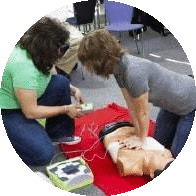
What you really require to remember under pressure
Students frequently bother with remembering every line of a formula. In actual scenes, the brain under anxiety does not like long lists. It holds on to anchors, brief phrases, and responsive routines. Think of first aid as a collection of supports you can get hold of when adrenaline hits.
The strongest supports I have seen are these: check security, phone call for aid, treatment with what you have. Every little thing else builds from them. When you stroll into a circumstance, take half a 2nd to search for dangers. If the scene seems risky to enter, pause. If risk-free sufficient, enter, recognize yourself, and obtain someone calling emergency situation services with particular info regarding place and problem. After that supply the very best care you can within your training.
This does not trivialize the information. It simply places them in a workable order. Airway before breathing, breathing prior to circulation continues to be a solid guide for most medical emergency situations. For trauma, serious blood loss completes for initial concern. With that in mind, you can stop trying to recite every sub-step and concentrate on the first crucial moves.
How to make CPR training stick
CPR is one ability that gains from short, frequent refresher courses. The muscle memory of hand setting, compression deepness, and rhythm fades faster than we expect. I usually inform trainees that a two-minute practice on a monthly basis goes even more than a two-hour cram once a year.
One of my past participants, a key college educator, set a pointer for the very first Monday of each month. She got a sofa pillow, positioned it on the floor, and did a min of compressions to the beat of a track set near 100 to 120 beats per minute. When she later encountered a genuine arrest at a neighborhood sports area, her hands located the center of the chest with nearly no idea. She kept the speed steady, counting out loud, while an additional onlooker fetched the AED. That easy ritual made the difference.
If you hold a first aid certificate, consider a cpr correspondence course prior to the two-year mark. Skills deteriorate in as little as 3 to 6 months. Numerous first aid and cpr courses consist of short refresher courses you can finish online with a brief in-person abilities examine. If that is not a choice, timetable your very own mini-drills. Technique compressions, imagine supplying rescue breaths with a mask, and practice switching on an AED and adhering to the triggers. The goal is convenience with the sequence, not perfection.
First aid kits that match your world
The ideal first aid set is the one you can get to in under a minute. I have actually seen immaculate, top-shelf packages locked in cabinets that no person can discover during an emergency situation. I have likewise seen basic zip pouches with handwear covers, gauze, tape, and a tourniquet supply precisely what was required while another person waited for tools they never retrieved.
Shape your package to your threats. A household with young children needs adhesive tapes, small gauze pads, saline for eye rinses, and a child-size resuscitation mask. A landscape design staff gain from added injury materials: bigger dressings, stress bandages, an industrial tourniquet, and shed gel. Outdoor teams appreciate sore care and a light emergency blanket. Remember that your training dictates what you use. If your first aid training covered tourniquet application and wound packing, stock those things. If not, keep your package simpler until you complete an innovative module.
Label your package in large, plain text. Maintain gloves ahead. Tape a short supply checklist to the within lid with amounts and last check date. A kit that transforms hands needs to inform its own story. After any kind of use, restock within 24 hours. Individuals put off restocking and afterwards discover a half-empty package simply when they require it most.
Bridging the space between class and scene
Classrooms are calm deliberately. Actual scenes are not. Alarms, crowds, busted glass, wet floorings, weeping kids, or a ringing phone can draw your focus apart. The bridge from concept to technique is developed from small, practical practice sessions. You do not require a simulation lab to attain this.
Walk with practical "day in the life" circumstances. At your workplace, image someone slumping at a workdesk. Where is your local AED? That will fulfill paramedics at the door? If your phone rests locked with Face ID, that can access it to call the emergency situation call? In a workshop, envision a deep cut from an energy knife. Where is the nearby clean water, and where are your handwear covers? In a home cooking area, think about warm oil burns and the course from oven to sink with clear area and no tripping hazards.
These mental walk-throughs prime your focus. They likewise expose logistical grabs, like AEDs behind coded doors or dusty first aid and cpr course certificates no one bears in mind where they are saved. Repair one snag a week, and your setting will certainly be friendlier to good care.
Simple practices that pay off in an emergency
Most of the worth of a first aid course shows up later on, via little behaviors. A couple of that continually aid:
- Put your favored emergency number on speed dial, and discover the neighborhood method for defining a location. If you operate in a big site, memorize structure names, levels, and access points. Keep a personal obstacle tool, like a keychain face shield, where you can reach it, and a pair of nitrile handwear covers folded up behind it. Agree on a plain-language sharp expression with your team. Screaming "Clinical emergency at the loading dock" travels much better than "Somebody aid!". Practice introducing on your own as a first aid company. A simple "I have first aid training, may I assist?" develops approval and focus. After any type of event, debrief within a day. Maintain it short, valid, and oriented towards improvement.
Those five lines look deceptively light. Under stress, every one eliminates rubbing you can not afford.
When to utilize judgment over rules
Guidelines exist for a reason, but the world does not always fit the page. A typical example entails relocating a person. You discover not to move a person with a believed back injury unless there is threat. Then you find on your own on a roadway shoulder with fast-moving traffic and gas odor on the air. Your judgment might help you stage a mindful drag to a more secure area, maintaining the straightest line you can while focusing on life over potential injury.
Another example is bleeding control. Books reveal a tidy limb ready for a tourniquet 2 to 3 inches over an injury. Truth provides thick garments, weather, body habitus, and awkward angles. A well-applied tourniquet over garments that stops bleeding is better than no tourniquet while you mess up to subject a limb. If you later get time and assistance, you can reassess and adjust.
Use procedures as your starting grid. After that scan for threats to life, time pressure, available assistance, and your very own ability. You are allowed to range care to your limitations. You are additionally permitted to stop if you become hazardous, overwhelmed, or clinically unhealthy yourself. Hand off to another person, proceed with fundamental surveillance, or support the scene in non-clinical ways like removing space or directing responders.
Making close friends with the AED
Many students treat the AED like an unusual artefact. In practice, these tools are tough, controlling, and designed for lay rescuers. They talk with you, they analyze rhythms, and they will certainly not surprise unless a shockable rhythm is present. The fastest path to self-confidence is to open your workplace AED once, with consent, and listen to the prompts in demo mode if available. Keep in mind the location of pads, the youngster setting or pediatric pads if offered, and the battery and electrode expiry dates.
If you completed a cpr course that included AED utilize, take another look at the steps on a peaceful day. Claim them out loud. Expose chest, completely dry if damp, cut if hair prevents pad adhesion, place pads as shown, quit touching throughout analysis, resume compressions when told. The device leads, yet you are still the conductor of the scene: appoint somebody to count compressions, someone else to time cycles, and one more to meet the rescue. A group that speaks plainly and repeats motivates out loud cuts minutes off fumbling.
Managing the group and the noise
First help is as social as it is technical. Groups collect. Relative panic. Bystanders offer conflicting recommendations. One of the most effective uses your voice is to appoint roles. Individuals wish to aid; they just require direction.
A young adult passed out during an area event I staffed. Within secs, five adults leaned in with water bottles, recommendations, and anxious energy. I thanked them, asked one person to get rid of a two-meter circle, another to bring the place's first aid set, and a 3rd to hold the teenager's feet raised. The remainder were welcomed to stand back so the client could take a breath. The tone was calm, the guidelines were simple, and the group came to be a property rather than a hazard.
This is not about authority for its own purpose. It is about producing area for evaluation. Protect the person's self-respect with a jacket or display if garments is eliminated for AED pads. Ask one person to record the moment of collapse, very first compressions, initially shock, or drugs provided if suitable. Great notes assist paramedics and later medical care.
A quick word on lawful and moral guardrails
If you supply first aid within first aid course requirements your training, act in excellent confidence, and turn over to experts as quickly as they arrive, most territories secure you from responsibility through do-gooder arrangements. Know your regional framework. Your first aid training carrier or your first aid pro trainer can describe the basics and direct you to main resources.
Always seek permission where feasible. For an unresponsive individual, approval is suggested. For kids, seek a moms and dad or guardian. Respect confidentiality. Stay clear of sharing information on social media sites or in workplace chats. If an occurrence needs reporting at the office, keep your record valid: times, observations, actions taken, and action by emergency services.
Refreshing without shedding out
Not every person appreciates taking courses regularly. Try rotating styles. Alternative a full first aid and cpr course with a shorter cpr refresher course the following year. On off-years, arrange a 30-minute drill with your group that focuses on one scenario, like choking, AED usage, or serious blood loss. Many providers use micro-learning modules you can finish during a lunch break.
If you operate in a high-risk setup, think about advanced first aid courses that consist of oxygen administration, epinephrine auto-injector training, or low-light situations. For area members and moms and dads, a portable first aid course plus cpr training strikes the sweet place: airway and breathing emergencies, basic injury treatment, and clear method standing by for help. Pick the level that matches your most likely dangers and your willingness to preserve the skills.
Keep your accreditation existing. A first aid certificate shows you found out and demonstrated abilities to a criterion at a moment. More importantly, the revival cycle provides you organized method. Skills, not paper, save lives, however the paper advises you to show up for the skills.
Working the side cases
Real scenes often being in the gray areas that do not show up in a clean curriculum. Two that show up repetitively:
Choking with partial airway. An individual who is coughing, making noises, and breathing is not completely blocked. Motivate them to cough, stay close, and get ready for the opportunity that it aggravates. Do not supply back impacts or stomach thrusts unless airflow quits or the cough ends up being inefficient. Time stretches in these minutes. Count quietly to keep on your own sincere, and re-check frequently.


Diabetes and transformed habits. Individuals with low blood glucose can be combative, baffled, or sluggish. If the person can ingest safely, an oral glucose gel or sugary beverage can improve signs within minutes. If they can not follow commands or seem in danger of goal, do not compel food or drink. Call for aid, place them on their side if risk-free, and screen breathing. I as soon as enjoyed a bystander try to pour a sporting activities drink into an unresponsive jogger's mouth. The objective was excellent. The threat of inhaling liquid was high. When in doubt, protect the respiratory tract and wait for paramedics.
Other edges include seizures that last longer than 5 minutes, serious bronchial asthma not responding to an inhaler, and anaphylaxis with recurring exposure to an allergen. Your role is to identify when the clock matters and to escalate early.
What high entertainers do after an incident
Performance expands in the after-effects. The same instructor that exercised regular monthly compressions called me the day after her field-side rescue. She had actually done well, however she still examined the sequence, first aid certification course asked about pad placement on a barrel-chested grownup, and wrote notes while the memory was fresh. She likewise rested inadequately, which prevails. Stress hormonal agents remain, and repeating events is typical. If you feel off after an incident, chat it through a coworker or your first aid pro trainer. Focus on knowing, not blame.
If something went wrong, recognize one process renovation. Perhaps the AED was behind a locked door, or the address was tough to describe to dispatch. Fix the environment so the next rescuer has one much less barrier. After that, placed the experience back on the shelf. You are not your last performance. You are an individual who cared sufficient to act.
Choosing the appropriate supplier and course mix
A legitimate first aid training company supplies present protocols, hands-on experiment responses gadgets for CPR, and trainers that can answer sensible questions without reading from a manuscript. Search for cpr courses that consist of AED practice with realistic scenarios and first aid and cpr courses that allocate at least half the time to skills terminals. If your routine is tight, blended options allow you complete concept online, after that do a portable in-person abilities session. That framework functions well if you prefer to learn at your very own speed before touching the equipment.
If you lead a group, coordinate your training schedule so not everyone ends simultaneously. Stagger renewals. Integrate in a ten-minute drill at quarterly safety meetings. Location indications that reveal AED places and encourage a "find and touch" stroll once a year so individuals understand the route, the door codes, and any type of obstacles. These little touches make your CPR training live outside the classroom.
The fundamentals distilled
You will certainly neglect details. Everyone does. That is fine. Keep the basics handy. Protect the scene and yourself. Call for help early, with an accurate area. Address the largest dangers first: air passage, breathing, extreme bleeding, cardiac arrest. Make use of the devices you educated with: stress, tourniquet, healing setting, compressions, AED. Maintain your set findable and simple. Practice little, commonly. Debrief as soon as, find out one thing, after that allow it go.
The void between concept and technique is not a canyon. It is a series of tiny steps you can take this week. If you have actually not scheduled a refresher course, select a cpr refresher course or a brief first aid course that targets your leading dangers. If your first aid certificate sits in a drawer, inspect the expiration and set a reminder. If your package has not been opened lately, open it today. If your AED lives behind a door, make certain everybody knows the code. Every one of that counts as first aid, too, since it makes treatment possible when secs matter.
A last tale that says enough
A couple of wintertimes earlier, a shipment motorist in his fifties fell down in an entrance hall where among my clients had actually lately run a first aid and cpr course. 2 employees that had never ever led a rescue before functioned side by side. One started compressions within forty seconds, the various other fetched the AED and positioned pads while routing a third individual to call emergency situation solutions and satisfy -responders at the road. They stunned when, returned to compressions promptly, and turned every two mins. The paramedics arrived to locate a perfusing rhythm. The motorist lived, returned to function after rehabilitation, and later on visited the office with a cake he baked himself.
The team did not keep in mind every phrase. They remembered where the AED was, exactly how to press hard and fast, and how to speak with each other. They had actually exercised discovering the device and opening it. They had a routine of assigning functions with clear, simple phrases. That is the first aid training workshops step from theory to practice. It is not glamorous. It is stable, ready, and human.
If you are questioning whether your last first aid course prepared you for the genuine thing, start with one activity today. Choose a two-minute drill, examine your kit, walk to your AED, or book that cpr training you have postponed. The rest will follow.